
How to Prevent Meat Dehydration Project Planning Guide
Release time:2026-08-01 Click:1A good commercial refrigeration equipment project starts with layout, product flow, target temperature, and daily operation. Equipment should be selected around the site plan, not just around catalog dimensions.
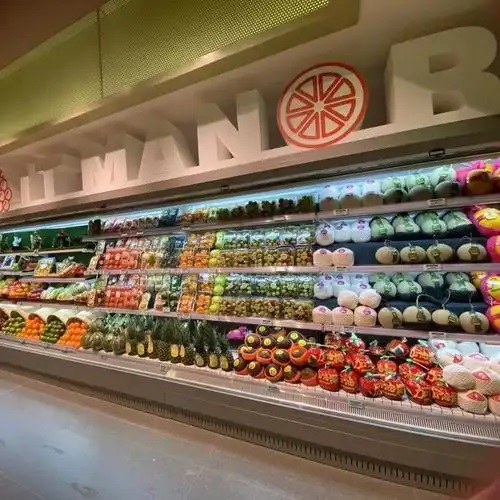
| Item | Why it matters |
|---|---|
| Product type | Different products may need different temperatures, airflow, humidity, or display layouts. |
| Layout | A cabinet or cold room must fit aisle width, door swing, loading area, and service clearance. |
| Energy use | The lowest purchase price is not always the lowest operating cost. |
| Maintenance | Gaskets, fans, condensers, drainage, and controllers should be easy to inspect. |
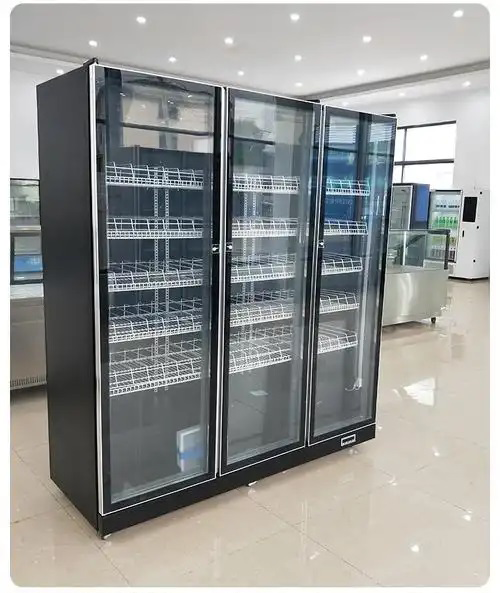
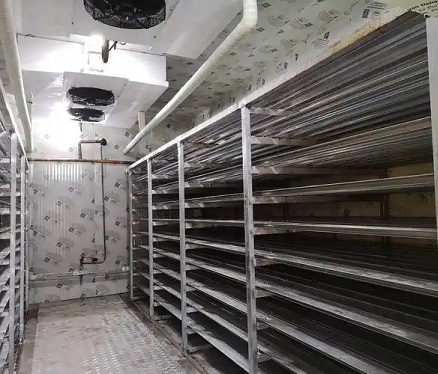
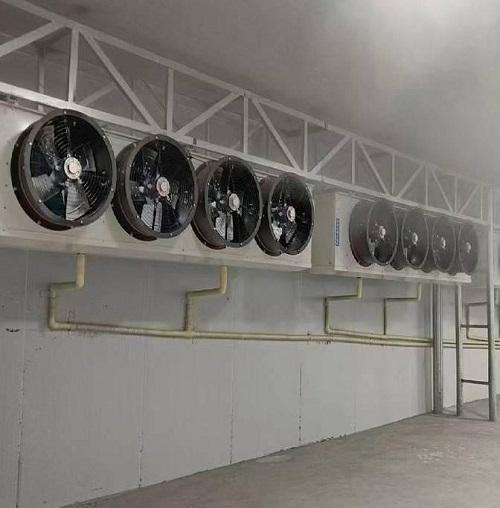
For retail, food service, hospitality, and cold storage projects, the right equipment depends on what is being cooled, how often staff or customers open the cabinet or room, and whether the project is mainly for display, storage, processing, or service workflow. A small store may prefer plug-in equipment for easier installation, while a larger project may need remote refrigeration, multiple display zones, or a cold room behind the sales area.
Before choosing a model, define the product category, target temperature, loading frequency, available space, and cleaning routine. These details usually affect performance more than the product name alone.
Use the topic of this article as a starting point, then compare the related BY Cooling product categories below.
Start with product type, target temperature, capacity, layout, and operating workflow. After these are clear, compare cabinet or system options that fit the actual project.
Not always. A lower purchase price can lead to higher energy use, poor temperature stability, difficult cleaning, or limited service support.
Yes. Share your application, dimensions, product category, and target temperature. BY Cooling can help match the equipment path to the project requirement.
Hot products
Tel:13588888888
E-mail:admin@bycooling.com

CONTACT US