
Commercial Refrigeration for Fast Food Chains
Release time:2026-07-04 Click:1BY Cooling is a professional commercial refrigeration equipment manufacturer specializing in display refrigerators, display freezers, supermarket refrigeration systems, commercial kitchen refrigeration equipment, blast freezers, ice machines and cold room solutions.
This guide is written for restaurant groups, fast food chains and food service contractors. It focuses on practical purchasing decisions, project planning and specification details for commercial refrigeration for fast food chains. The purpose is to help buyers compare equipment in a structured way before discussing drawings, quotations, shipping terms or OEM requirements.

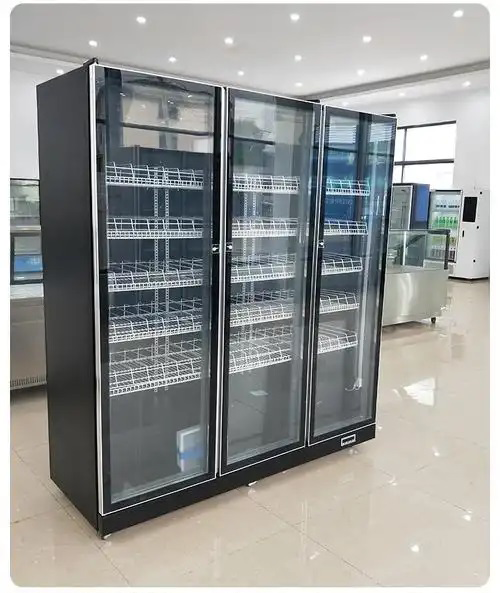
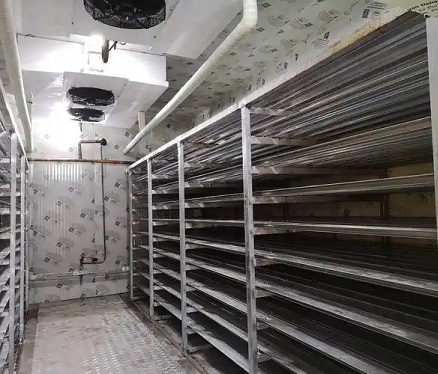
A commercial refrigeration project should start with the products being stored or displayed, the required temperature range, daily loading volume, available installation space, customer access pattern and cleaning routine. Buyers should also confirm whether the equipment will be used for front-of-house display, back-of-house storage, food preparation, fast freezing, bulk cold storage or a combined project.
For commercial refrigeration for fast food chains, the operating environment is especially important. Ambient temperature, ventilation, door opening frequency, humidity, drainage, power conditions and service access all influence the final equipment choice. A low purchase price can become expensive if the equipment is not matched to the real site conditions.
Importers and distributors usually need stable product platforms, consistent appearance, clear technical specifications and predictable lead times. Contractors and commercial project buyers usually care more about dimensions, cooling capacity, installation constraints and maintenance access. Retail chains and food service groups often need a repeatable solution that can be used across multiple stores.
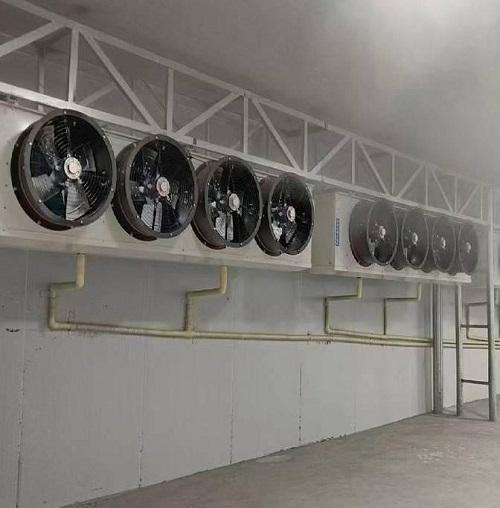
When comparing equipment, check the cabinet structure, insulation, compressor configuration, evaporator design, controller options, shelf loading, lighting, glass type, defrosting method and spare parts availability. For display refrigerators and freezers, visibility and merchandising are part of the value. For kitchen refrigerators, freezers, cold rooms and blast freezers, storage stability and workflow usually come first.
Many Phase 2 buyers are not purchasing one unit. They may be building a supermarket, opening a restaurant chain, supplying a distributor warehouse or sourcing private label refrigeration equipment. In these cases, the purchasing team should prepare a product list, target market, expected quantity, voltage requirements, plug standards, branding needs and packaging expectations before requesting a formal quotation.
For OEM and distributor cooperation, confirm whether the required model can support logo placement, color adjustments, product labeling, manuals, spare parts kits and container loading plans. Buyers should avoid changing too many technical details at the first stage. A stable base model with controlled customization is usually easier to quote, produce, inspect and ship.
| Buyer Focus | What to Check | Why It Matters |
|---|---|---|
| Application | Retail display, kitchen storage, cold room or processing | Prevents choosing the wrong equipment category |
| Temperature | Target range, recovery speed and product sensitivity | Protects food quality and operating consistency |
| Layout | Dimensions, ventilation, door direction and aisle width | Reduces installation and workflow problems |
| Procurement | MOQ, lead time, packaging, voltage and documentation | Helps importers and contractors plan orders |
| Maintenance | Cleaning access, spare parts and service points | Supports long-term commercial operation |
Prepare the application, target temperature, quantity, installation country, voltage, dimensions, branding needs and any project drawings or store layout information.
It can be, if the specification is stable and the equipment can be repeated across locations. Chain projects should standardize model sizes, temperature requirements and maintenance routines.
BY Cooling can discuss commercial refrigeration equipment needs for importers, distributors, contractors and project buyers, including display refrigerators, display freezers, kitchen refrigeration equipment, blast freezers, ice machines and cold room solutions.
Compare product range, technical communication, quotation clarity, customization scope, packaging plan, inspection process and after-sales support expectations. Avoid relying only on the lowest unit price.
Contact BY Cooling to discuss commercial refrigeration for fast food chains, commercial refrigeration project planning, OEM cooperation or distributor purchasing requirements.
Hot products
Tel:13588888888
E-mail:admin@bycooling.com

CONTACT US