
Commercial Freezer Distributor Program

Release time:2026-07-21    Click:8

Commercial Freezer Distributor Program

B2B buyers evaluating display freezer need more than a product list. The decision should include supplier capability, customization, MOQ, documentation, packaging, shipping, and after-sales support.
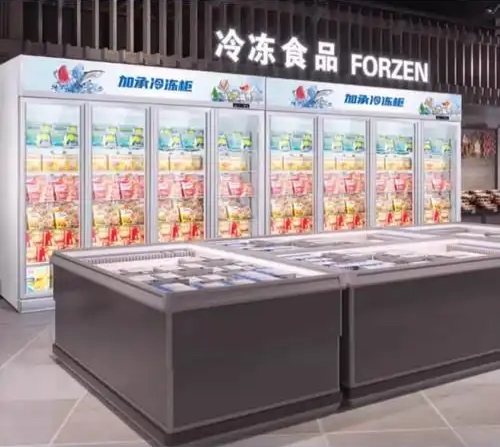
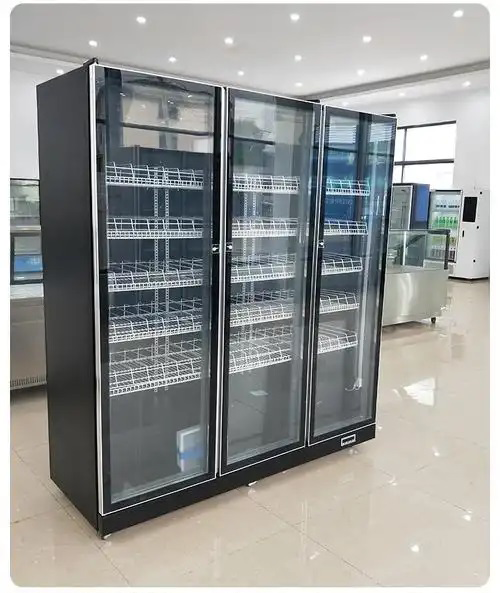
display freezer for frozen food, ice cream, seafood, and retail frozen merchandising

Quick buyer summary

  • Main topic: display freezer
  • Best-fit users: frozen food, ice cream, seafood, and retail frozen merchandising
  • Decision focus: frozen display performance, glass visibility, defrost, store layout, and temperature recovery
  • Best next step: prepare product type, target temperature, dimensions, and project photos before requesting a quotation.

Application scenario

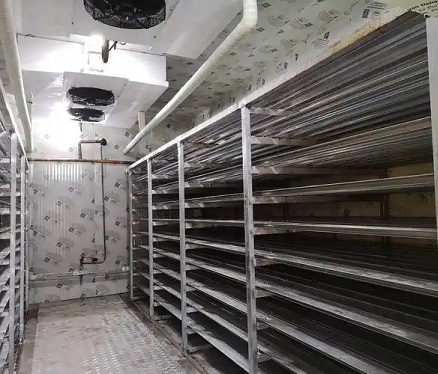
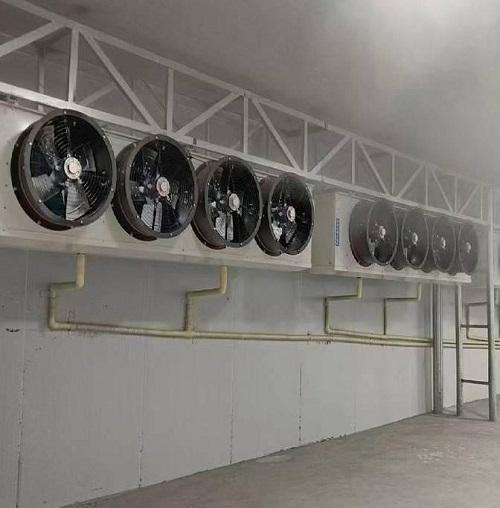
For frozen food, ice cream, seafood, and retail frozen merchandising, the right equipment depends on what is being cooled, how often staff or customers open the cabinet or room, and whether the project is mainly for display, storage, processing, or service workflow. A small store may prefer plug-in equipment for easier installation, while a larger project may need remote refrigeration, multiple display zones, or a cold room behind the sales area.

Before choosing a model, define the product category, target temperature, loading frequency, available space, and cleaning routine. These details usually affect performance more than the product name alone.

Planning checklist

ItemWhy it matters
Product typeDifferent products may need different temperatures, airflow, humidity, or display layouts.
LayoutA cabinet or cold room must fit aisle width, door swing, loading area, and service clearance.
Energy useThe lowest purchase price is not always the lowest operating cost.
MaintenanceGaskets, fans, condensers, drainage, and controllers should be easy to inspect.

Selection criteria

  • Temperature requirement: confirm whether the product needs chilled, frozen, or special temperature control.
  • Capacity and loading: estimate daily stock volume, shelf loading, batch size, or storage turnover.
  • Site conditions: check ambient temperature, ventilation clearance, power supply, drainage, and available floor space.
  • Operation: consider door openings, customer access, staff workflow, cleaning frequency, and service access.
  • Display or storage priority: retail equipment should support visibility and sales; back-of-house equipment should support efficiency and durability.

Common mistakes to avoid

  • Choosing equipment only by external size without checking usable capacity or airflow.
  • Ignoring local ambient temperature and ventilation conditions.
  • Using one equipment type for products with different temperature or hygiene needs.
  • Forgetting spare parts, cleaning access, and future service support.
  • Requesting a quotation without product details, layout information, or target temperature.

Recommended BY Cooling product path

Use the topic of this article as a starting point, then compare the related BY Cooling product categories below.

Information to prepare before requesting a quote

  • Business type and application scenario
  • Product type and target temperature
  • Required capacity, display length, batch size, or room dimensions
  • Installation country, voltage, frequency, and ambient temperature
  • Photos, drawings, or layout notes if available
  • Expected quantity, customization needs, and shipping destination

FAQ

How do I choose the right display freezer?

Start with product type, target temperature, capacity, layout, and operating workflow. After these are clear, compare cabinet or system options that fit the actual project.

Is the cheapest model usually the best choice?

Not always. A lower purchase price can lead to higher energy use, poor temperature stability, difficult cleaning, or limited service support.

Can BY Cooling help review my project?

Yes. Share your application, dimensions, product category, and target temperature. BY Cooling can help match the equipment path to the project requirement.